Field Notes — firstscope v1
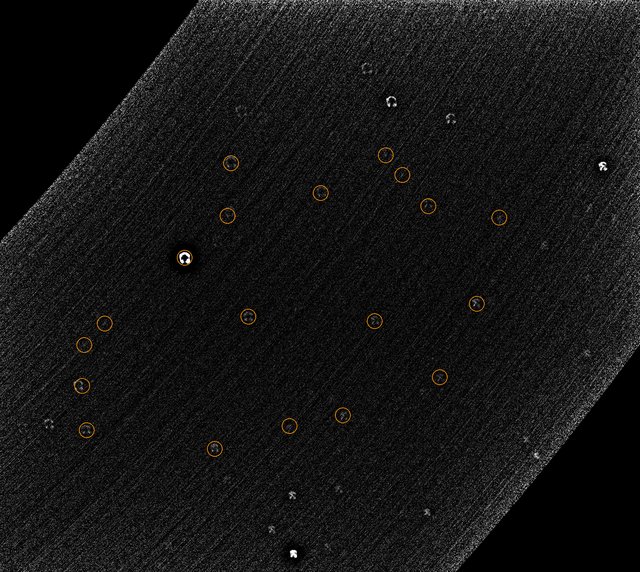
A 76 mm scope with no tracking, stacking half an hour of three-second frames, reaches about 12th magnitude. The interesting part is not the number but how you get it without a star catalogue: count how many stars you can see in a known patch of sky, and look up how many stars there are supposed to be. The sky itself is the calibration.
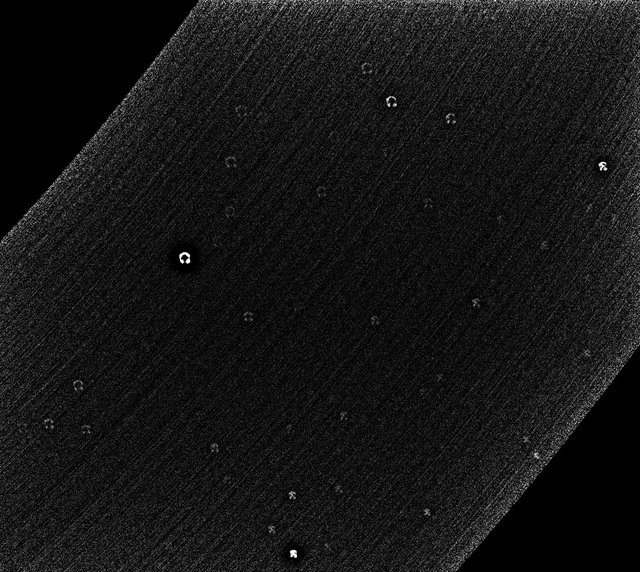
A 76 mm scope with no tracking and no finder, stacking 600 three-second frames, lands within 12 percent of the theoretical best a stack of that depth can do. De-rotating about the celestial pole recovers a 19.2x drop in noise where a perfect square-root-of-N stack would give 21.7x. The rest of the night's interest is in what the number costs to get: how close the field sits to the pole, and how long a star therefore dwells inside it.